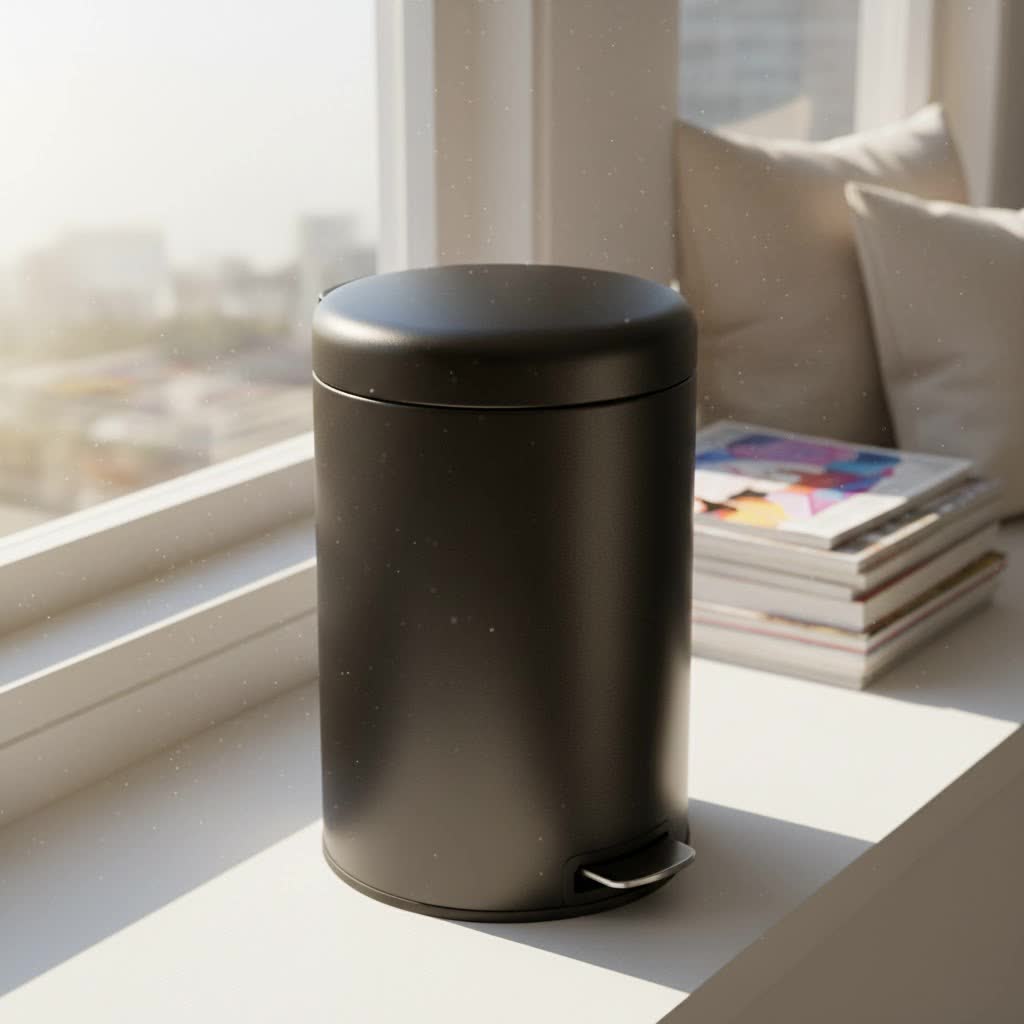
Are you tired of touching germ-laden lids or wrestling with overflowing bins? In our modern homes, even mundane objects are getting a smart upgrade, and the humble trash can is no exception. Motion Sensor Trash Cans offer a seamless, hygienic, and convenient solution to waste management, transforming a daily chore into a touch-free experience. This comprehensive guide will walk you through everything you need to know to choose the perfect motion sensor trash can for your space.
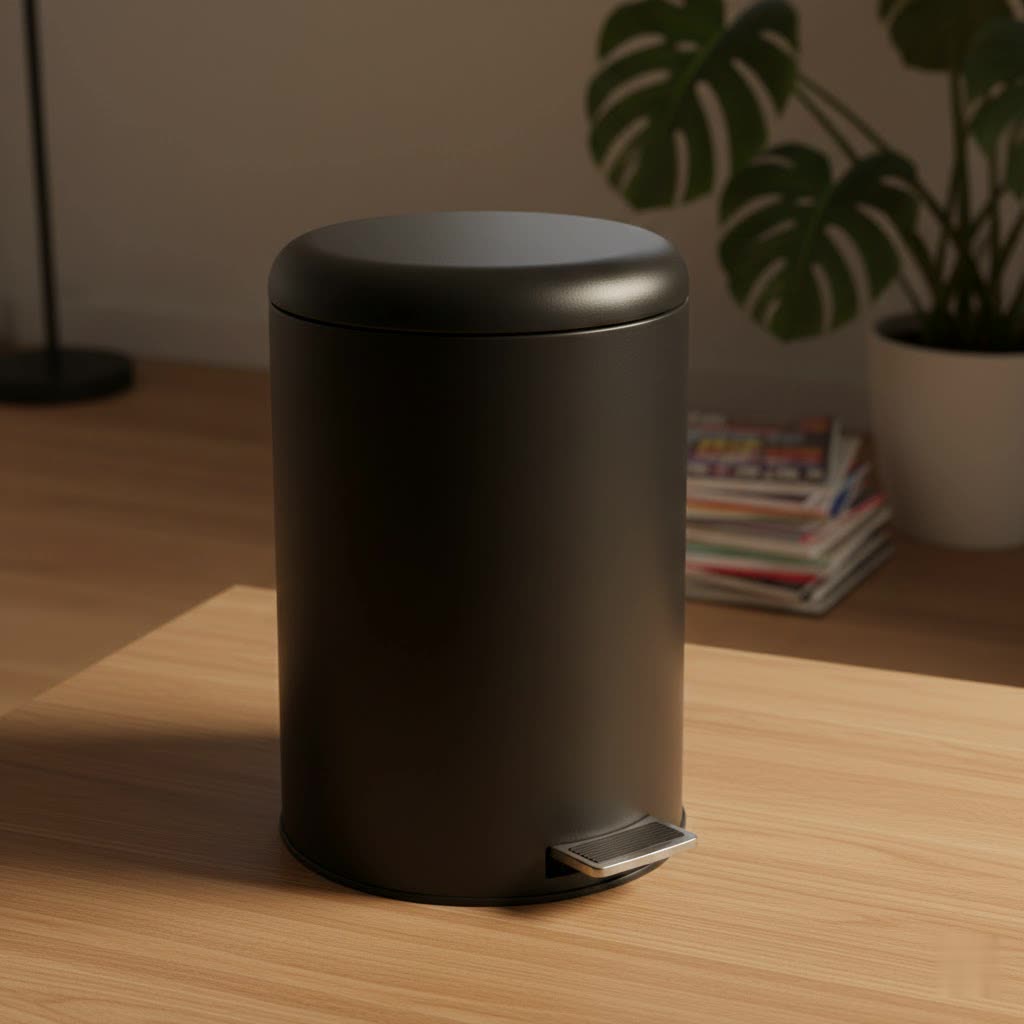
How Motion Sensor Trash Cans Work
At the heart of a motion sensor trash can lies advanced sensing technology, most commonly infrared sensors. These sensors detect movement within a specific range, typically between 15-35 centimeters. When a hand or object approaches, the sensor triggers a mechanism that swiftly opens the lid, often in as little as 0.3 seconds. After a brief delay, usually 3-5 seconds, the lid gently closes automatically once the object moves away, preventing odors from escaping and maintaining a clean environment. This touchless operation is what sets these smart bins apart, offering unparalleled convenience and hygiene.
Why Choose a Motion Sensor Trash Can? The Smart Benefits
Embracing a motion sensor trash can brings a host of advantages that enhance daily living and streamline waste disposal.
Enhanced Hygiene: A Touchless Experience
|
Our Picks for the Best Trash Can in 2026
We may earn a commission when you use one of our links to make a purchase.
|
||
| Num | Product | Action |
|---|---|---|
| 1 | BestOffice - 13 Gallon Trash Can with Lid - Automatic Touchless Garbage Can - Odor Control - Modern Oval Design - Easy to Clean - Plastic - Black - Fits Any Kitchen, Bathroom, Office or Home |

|
| 2 | Rubbermaid Commercial Wastebasket Trash Container, 41QT/10.25 GAL, Plastic, Black, Stackable Trash Can for Bedroom/Bathroom/Office, Fits Under Desk/Sink/Cabinet |
|
| 3 | Amazon Basics Smudge Resistant Rectangular Trash Can With Soft-Close Foot Pedal, Brushed Stainless Steel, 30L/7.9 Gal, 13.8x11.8x25 in, Satin Nickel Finish |
|
| 4 | Amazon Basics Dual Compartment Recycling Trash Can with Soft-Close Lid and Removable Liner Buckets, 60 Liters, Rectangular, Grey, Silver |
|
| 5 | Towallmark 60L/16 Gal Dual-Compartment Stainless Steel Trash Can,2x8 Gal Pedal-Operated Design with Removable Inner Buckets for Kitchen, Office & Commercial Use |
|
| 6 | TIPGO Slim Bathroom Trash Can with Lid Soft Close, Step Pedal, 6 Liter / 1.6 Gallon Stainless Steel Trash Bin, Small Garbage Cans for Bedroom, Office, Kitchen (Matte Black) |
|
| 7 | Cesun Small Bathroom Trash Can with Lid Soft Close, Step Pedal, 6 Liter / 1.6 Gallon Stainless Steel Garbage Can with Removable Inner Bucket, Anti-Fingerprint Finish (Matt Black) |
|
| 8 | BestOffice - 13 Gallon Trash Can with Lid - Automatic Touchless Garbage Can - Odor Control - Modern Oval Design - Easy to Clean - Stainless Steel - Fits Any Kitchen, Bathroom, Office or Home |
|
| 9 | Amazon Basics Smudge Resistant Mini Rectangular Trash Can With Soft-Close Foot Pedal, Brushed Stainless Steel, for Bathroom & small space, 5L/1.32 Gal, 7.3x8.5x11.8 in, Satin Nickel Finish |
|
| 10 | Amazon Basics Smudge Resistant Rectangular Trash Can With Soft-Close Foot Pedal, Brushed Stainless Steel, 50L/13.2 Gal, 16.7x14.7x25.9 in, Satin Nickel Finish |
|
One of the most compelling reasons to opt for a motion sensor trash can is the significant boost in hygiene. By eliminating the need for physical contact with the lid, these bins drastically reduce the spread of germs and bacteria in your home, especially crucial in kitchens where hands are often messy during cooking, or in bathrooms. This touchless operation means fewer fingerprints, fewer cross-contaminations, and a cleaner overall environment for you and your family.
Ultimate Convenience: Hands-Free Disposal
Imagine carrying a plate of food scraps or a handful of wrappers, and your trash can simply opens to receive them. Motion sensor trash cans provide hands-free convenience that makes waste disposal effortless. The automatic soft-closing lid is also a welcome feature, ensuring quiet operation without jarring slams, a detail appreciated in busy kitchens or quiet offices and bedrooms.
Superior Odor Control: Keeping Smells Locked Away
A major concern with any trash can is containing unpleasant odors. Motion sensor trash cans often feature tight-sealing lids designed to trap smells effectively. Many high-end models further enhance odor control with built-in carbon filters or deodorizers, actively neutralizing odors before they can escape. As Timothy Wong, founder of M&M Environmental, emphasizes, a tight lid is essential for stopping odors and keeping pests away.
Sleek Aesthetics and Modern Design
Beyond their functional advantages, motion sensor trash cans often boast modern, elegant designs that complement contemporary home decor. Available in various shapes, sizes, and finishes—from brushed stainless steel to sleek plastics—they can be a stylish addition rather than an unsightly necessity. Their streamlined appearance contributes to a tidier and more sophisticated living space.
Key Factors When Selecting Your Motion Sensor Trash Can
Choosing the right motion sensor trash can involves considering several elements to ensure it perfectly fits your lifestyle and home.
Size and Capacity
The ideal size depends on your household’s waste generation and the room’s function. Kitchens typically benefit from larger capacities (12-16 gallons) to accommodate daily waste from cooking and family life. For bathrooms, bedrooms, or home offices, smaller, more compact bins (4-8 gallons) are usually sufficient. Interior designer Bree Steele advises that a larger capacity is suitable for big families, while smaller cans work well for smaller households and tight spaces.
Material and Durability
Motion sensor trash cans are commonly made from:
- Stainless Steel: Offers a premium look, durability, and often comes with fingerprint-resistant coatings for easy maintenance.
- Plastic: Lightweight, often more budget-friendly, and available in various colors. Look for durable, waterproof plastics, especially for moisture-prone areas like bathrooms.
The material choice impacts not only aesthetics but also longevity and ease of cleaning.
Power Source and Battery Life
Most motion sensor trash cans operate on batteries (AA or D), while some offer rechargeable options or AC adapters. Consider the battery type and expected lifespan, as frequent battery changes can be cumbersome. Some models are energy-efficient, prolonging battery life.
Sensor Technology and Responsiveness
Evaluate the sensor’s detection range and how quickly and consistently the lid opens and closes. Some users prefer a wider detection range for ultimate hands-free convenience, while others might prefer a more focused sensor to prevent accidental openings in high-traffic areas. As professional organizer Elsa Elbert suggests, test the sensor in your chosen spot to ensure it doesn’t disrupt workflow or become annoying.
Lid Mechanism and Features
Look for features like a soft-closing lid for quiet operation and a manual override button or mode that allows the lid to stay open longer for larger tasks or when batteries run low. A removable inner bucket simplifies waste disposal and makes cleaning easier.
Odor Management Features
Beyond a tight-sealing lid, some advanced models incorporate carbon filters or other deodorizing systems to actively combat smells. This is particularly beneficial for kitchen bins where food waste can quickly become pungent.
Design and Aesthetics
Consider the shape (rectangular, round, slim) and finish (brushed, polished, matte, specific colors) that best blend with your home’s decor. A trash can that integrates seamlessly into your space rather than standing out can significantly improve the overall aesthetic.
Comparing Key Motion Sensor Trash Can Features
| Feature | Description | Benefits | Considerations |
|---|---|---|---|
| Sensor Type | Infrared or proximity sensors detect motion to open the lid. | Touchless, hygienic operation; prevents germ spread. | Sensitivity can vary; potential for accidental openings in high-traffic areas. |
| Lid Mechanism | Automatic opening/closing, often with a soft-close damper. | Hands-free convenience; quiet operation; contains odors. | Speed of opening/closing; ability to keep lid open manually. |
| Power Source | AA/D batteries, rechargeable batteries, or AC adapter. | Versatility in placement (batteries); continuous power (AC). | Battery life and replacement frequency; power outlet availability. |
| Capacity | Ranges from small (e.g., 3-5 gallons) to large (e.g., 13-21 gallons). | Suits various rooms (bathroom vs. kitchen); less frequent emptying for larger sizes. | May be too large for small spaces; smaller sizes need more frequent emptying. |
| Material | Stainless steel (fingerprint-resistant) or durable plastic. | Aesthetic appeal; ease of cleaning; durability; resistance to dents/smudges. | Stainless steel can be pricier; plastic may look less premium. |
| Odor Control | Tight seals, carbon filters, or built-in deodorizers. | Effectively traps and neutralizes unpleasant smells. | Filter replacement costs; effectiveness varies by model. |
| Bag Management | Liner rings to hold bags in place; some advanced models self-seal/replace. | Keeps bags hidden; prevents slippage; ultimate convenience for self-sealing models. | Some models require specialized, more expensive bags. |
Tips for Maintaining Your Motion Sensor Trash Can
To ensure your motion sensor trash can remains clean, functional, and extends its lifespan, regular maintenance is key.
- Clean Regularly: Even with touchless operation, the interior and exterior of your bin can accumulate grime. Wipe it down frequently with soap and water, and use a disinfectant. Ensure it’s completely dry before reinserting bags.
- Use Quality Trash Bags: Good quality trash bags prevent leaks and tears, keeping the interior of the can cleaner. If your model has a liner ring, ensure the bag is properly secured.
- Manage Odors: Replace any odor filters as recommended by the manufacturer. For persistent smells, a sprinkle of baking soda at the bottom of the liner can help absorb odors.
- Check Batteries: If your can is battery-operated, replace batteries when performance declines or as per the manufacturer’s schedule. Use the recommended battery type.
- Sensor Care: Keep the motion sensor area clean and free from obstructions. Dust or dirt can interfere with its sensitivity.
Conclusion
A motion sensor trash can is more than just a receptacle for waste; it’s a modern upgrade that brings a new level of hygiene, convenience, and efficiency to your home. By understanding how they work and what features matter most, you can confidently select a model that not only fits your needs but also enhances your daily life. It’s a small change that yields big benefits, making waste disposal a truly touch-free and effortless task. Are you ready to embrace the future of waste management in your home?