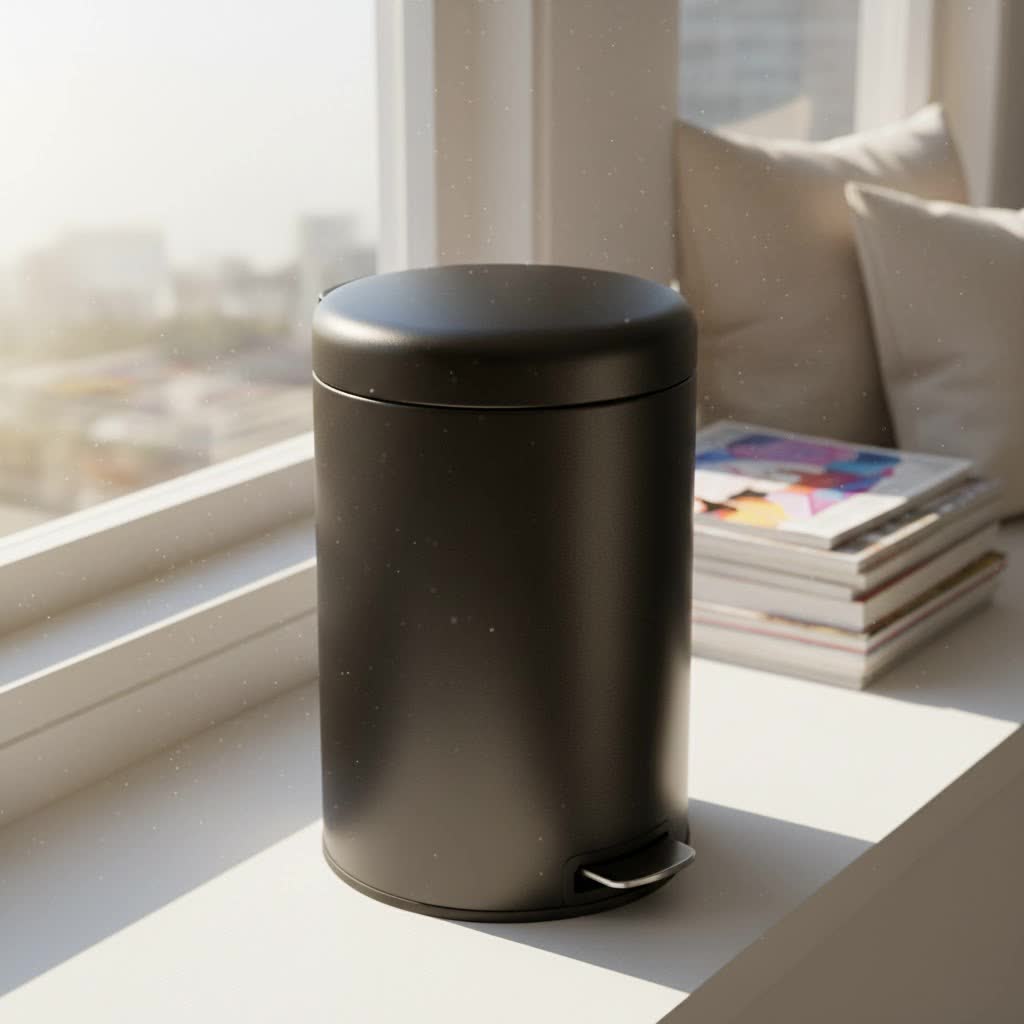
Have you ever found yourself juggling trash with full hands, wishing your bin could just open on its own? Or perhaps you’re tired of constantly touching a germ-prone lid? Enter the Automatic Trash Can, a modern marvel designed to bring unparalleled hygiene, convenience, and a touch of sophistication to your daily routine. These ingenious devices have transformed waste disposal from a mundane chore into a seamless, touch-free experience. This comprehensive guide will explore everything you need to know about automatic trash cans, from how they work to what to consider before making a purchase, ensuring you choose the perfect fit for your home.
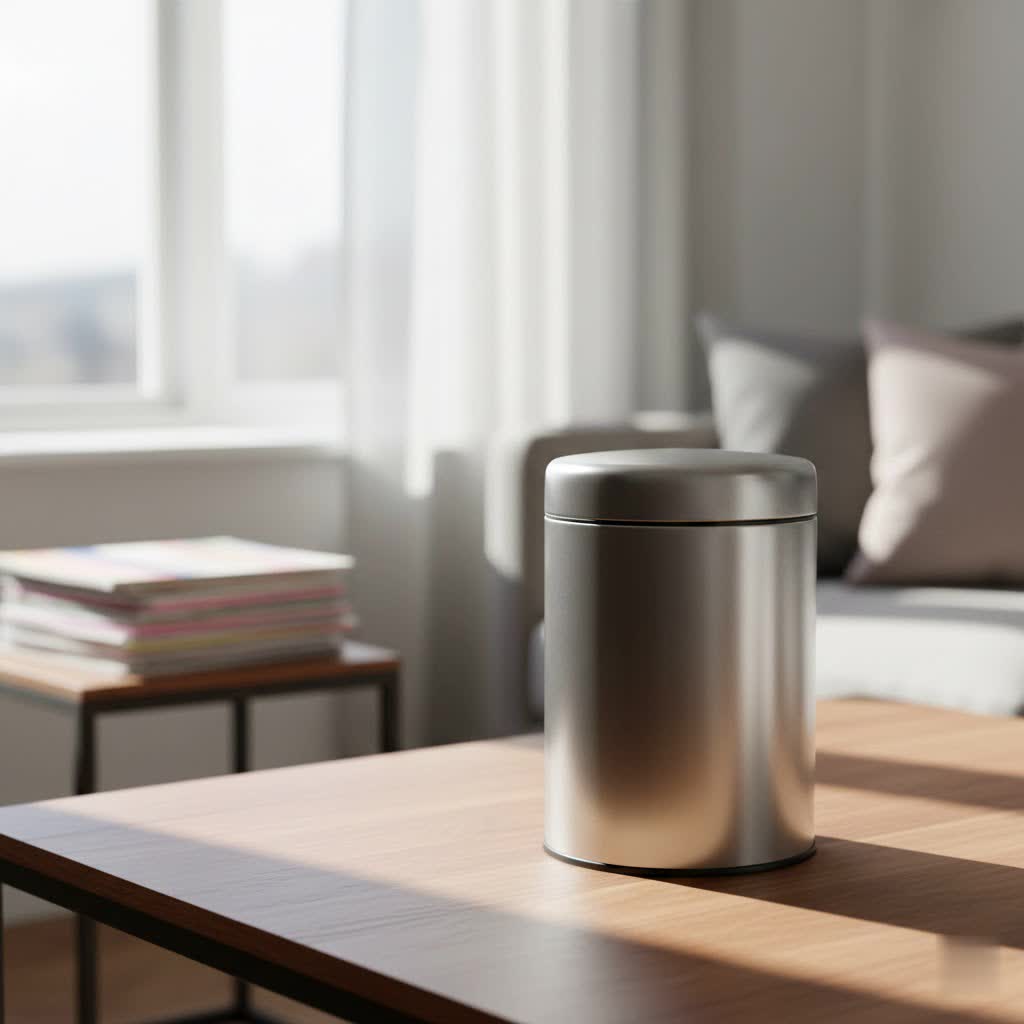
Understanding Automatic Trash Cans: How They Work
At its core, an automatic trash can is designed for hands-free operation, primarily relying on sensor technology to detect your presence and open its lid. The most common mechanism is an infrared motion sensor. When a hand or object approaches within a certain range – typically between 6 to 35 centimeters – the sensor triggers a motor that smoothly lifts the lid. After a brief delay, usually 3 to 5 seconds, once no motion is detected, the lid automatically and quietly closes. This intelligent design eliminates the need for physical contact, making waste disposal more hygienic.
Powering this convenience often involves batteries, such as AA or D cells, with some models offering rechargeable battery packs or even AC adapters for continuous power. Beyond the basic open-and-close function, some advanced automatic trash cans boast additional features. These can include built-in deodorizers with activated carbon filters to neutralize odors, subtle LED indicator lights, and even manual override buttons for instances when you need the lid to stay open longer. While more elaborate innovations like automatic bag sealing or waste compaction exist in some high-end or commercial models, the core touchless lid operation remains the defining characteristic for most household automatic bins.
Why Choose an Automatic Trash Can? The Benefits
The allure of an automatic trash can extends far beyond its futuristic appeal. These smart bins offer a range of practical benefits that can significantly enhance cleanliness, convenience, and overall living quality in any home.
Enhanced Hygiene
|
Our Picks for the Best Trash Can in 2026
We may earn a commission when you use one of our links to make a purchase.
|
||
| Num | Product | Action |
|---|---|---|
| 1 | Amazon Basics Smudge Resistant Rectangular Trash Can With Soft-Close Foot Pedal, Brushed Stainless Steel, 50L/13.2 Gal, 16.7x14.7x25.9 in, Satin Nickel Finish |

|
| 2 | BestOffice - 13 Gallon Trash Can with Lid - Automatic Touchless Garbage Can - Odor Control - Modern Oval Design - Easy to Clean - Plastic - Black - Fits Any Kitchen, Bathroom, Office or Home |
|
| 3 | Amazon Basics Dual Compartment Recycling Trash Can with Soft-Close Lid and Removable Liner Buckets, 60 Liters, Rectangular, Grey, Silver |
|
| 4 | Cesun Small Bathroom Trash Can with Lid Soft Close, Step Pedal, 6 Liter / 1.6 Gallon Stainless Steel Garbage Can with Removable Inner Bucket, Anti-Fingerprint Finish (Matt Black) |
|
| 5 | Amazon Basics Smudge Resistant Rectangular Trash Can With Soft-Close Foot Pedal, Brushed Stainless Steel, 30L/7.9 Gal, 13.8x11.8x25 in, Satin Nickel Finish |
|
| 6 | BestOffice - 13 Gallon Trash Can with Lid - Automatic Touchless Garbage Can - Odor Control - Modern Oval Design - Easy to Clean - Stainless Steel - Fits Any Kitchen, Bathroom, Office or Home |
|
| 7 | Rubbermaid Commercial Wastebasket Trash Container, 41QT/10.25 GAL, Plastic, Black, Stackable Trash Can for Bedroom/Bathroom/Office, Fits Under Desk/Sink/Cabinet |
|
| 8 | TIPGO Slim Bathroom Trash Can with Lid Soft Close, Step Pedal, 6 Liter / 1.6 Gallon Stainless Steel Trash Bin, Small Garbage Cans for Bedroom, Office, Kitchen (Matte Black) |
|
| 9 | Towallmark 60L/16 Gal Dual-Compartment Stainless Steel Trash Can,2x8 Gal Pedal-Operated Design with Removable Inner Buckets for Kitchen, Office & Commercial Use |
|
| 10 | Amazon Basics Smudge Resistant Mini Rectangular Trash Can With Soft-Close Foot Pedal, Brushed Stainless Steel, for Bathroom & small space, 5L/1.32 Gal, 7.3x8.5x11.8 in, Satin Nickel Finish |
|
One of the most compelling reasons to switch to an automatic trash can is the dramatic improvement in hygiene. By eliminating the need to touch the lid, you drastically reduce the spread of germs, bacteria, and viruses that can accumulate on traditional bin surfaces. This is particularly beneficial in high-traffic areas like the kitchen, where handling raw food or messy ingredients is common, or in bathrooms, promoting a healthier environment for everyone.
Unmatched Convenience
Imagine having your hands full while cooking, or carrying a baby, and needing to throw something away. An automatic trash can solves this dilemma effortlessly. With a simple wave of your hand or foot, the lid glides open, allowing for easy, hands-free disposal. No more fumbling with pedals, lifting heavy lids, or struggling to find a clean surface to rest items while you manage your waste. It’s a small change that brings a substantial boost to daily convenience.
Superior Odor Control
Odors are an inevitable part of trash, but an automatic trash can is designed to keep them contained. The automatic closing mechanism ensures the lid seals quickly and tightly after each use, trapping unpleasant smells inside. Many models also incorporate advanced odor-sealing features, such as rubber gaskets or built-in deodorizing compartments for carbon filters, providing an extra layer of defense against lingering kitchen or bathroom smells.
Modern Aesthetics
Beyond their functionality, automatic trash cans often feature sleek, contemporary designs that can elevate the aesthetic of your living space. Available in various finishes like brushed stainless steel, chrome, or matte black, and in a range of shapes, these bins can seamlessly integrate with modern home decor. They are not just utilitarian objects but can also serve as stylish accents that reflect a smart, organized household.
Accessibility
For individuals with limited mobility, children, or even pets, automatic trash cans offer a more accessible and user-friendly waste disposal solution. The touchless operation removes physical barriers, making it easier for everyone to use the bin without strain or assistance.
Considering the Downsides: Potential Drawbacks
While automatic trash cans offer numerous advantages, it’s important to acknowledge their potential drawbacks before investing. No product is perfect, and understanding the cons can help you make a fully informed decision.
Initial Cost
The most immediate difference you’ll notice is the price. Automatic trash cans are generally more expensive than their traditional counterparts. Basic models might start around $50, but feature-rich, larger capacity, or premium-brand bins can easily range from $100 to over $200. This higher upfront investment might be a consideration for budget-conscious consumers.
Battery Dependence & Maintenance
Most automatic trash cans rely on batteries to power their sensors and lid mechanisms. This means you’ll need to periodically replace or recharge batteries, which adds to the ongoing cost and maintenance. Some users report needing to change batteries every few weeks, depending on usage frequency and battery type, which can be an inconvenience. If batteries die, the automatic function ceases, often requiring a manual override or rendering the bin temporarily less convenient.
Sensor Sensitivity
While motion sensors are a key feature, their sensitivity can sometimes be a double-edged sword. An overly sensitive sensor might cause the lid to open unexpectedly when someone merely walks by, wasting battery life or creating minor annoyances. Conversely, a less responsive sensor might fail to detect your presence, requiring multiple attempts to open the lid, which defeats the purpose of “automatic” convenience. Dust or grime on the sensor can also impair its functionality, necessitating regular cleaning.
Durability Concerns
Compared to simple pedal or manual lid bins, automatic trash cans have more intricate mechanical and electronic components. This complexity can sometimes lead to durability concerns, with sensors or lid mechanisms being more prone to malfunction or failure over time. Forcing a lid closed when the sensor is active, for instance, can damage the internal gearing. Some users also report that the electronic components may not withstand the humid environment of a kitchen as well as purely mechanical alternatives.
Specialized Supplies
Certain high-end automatic trash cans, especially those with advanced features like automatic bag sealing or compacting, may require specialized, proprietary trash bags. These bags are often more expensive than standard garbage bags and might not be readily available in all stores, adding another recurring cost and potential hassle to your waste management routine.
Choosing Your Perfect Automatic Trash Can: A Buyer’s Guide
Selecting the right automatic trash can involves more than just picking the first sleek model you see. To ensure it perfectly meets your household’s needs, consider these crucial factors.
Size and Capacity
The ideal size and capacity of your automatic trash can largely depend on where it will be placed and how much waste your household generates. For a kitchen, a larger capacity (13 gallons/50 liters or more) is typically recommended to accommodate daily food scraps and packaging, reducing the frequency of bag changes. Smaller spaces like a bathroom, office, or bedroom will benefit from a more compact bin (2-7 gallons/8-25 liters) that doesn’t overwhelm the area. Consider the dimensions carefully to ensure it fits comfortably without obstructing walkways or cabinet doors.
Material and Design
Automatic trash cans come in various materials, each offering distinct advantages. Stainless steel is a popular choice for its durability, resistance to odors, ease of cleaning, and modern aesthetic. It often features fingerprint-resistant coatings to maintain its polished look. Plastic options are generally more budget-friendly, lightweight, and available in a wider array of colors, though they may be less effective at containing odors over time. As for design, think about the lid type (hinged, butterfly, or lift-off) and how it fits into your space, especially if placed under a counter. A design that complements your existing decor can elevate the room’s overall appearance.
Power Source
Your choice of power source affects placement flexibility and maintenance. Battery-operated models offer the freedom to place the trash can anywhere without being tethered to an outlet. However, this comes with the ongoing need for battery replacements, which can be frequent depending on usage. Look for models that use standard, readily available batteries or offer rechargeable options. Plug-in (AC adapter) models provide consistent power, eliminating battery concerns, but restrict placement to areas near an electrical outlet. Some models offer both battery and AC adapter options, providing the best of both worlds.
Advanced Features to Look For
Beyond the basic touchless operation, several features can enhance your experience:
- Odor Filters: Built-in compartments for carbon filters or deodorizers help actively neutralize unpleasant smells, keeping your space fresh.
- Manual Override: A button to keep the lid open manually is incredibly useful for longer tasks, like scraping plates after a meal, preventing constant opening and closing.
- Soft-Close Lids: This feature ensures the lid closes gently and quietly, avoiding slamming noises.
- Inner Liner Rings/Buckets: These secure the trash bag in place, preventing it from slipping and often hide the bag’s edges for a neater look.
- Waste Compaction/Automatic Bag Sealing: While less common for standard home use, some advanced models can compact trash or automatically seal and replace bags, though these usually come with a significant price increase and specific bag requirements.
Brand Reputation
When investing in an automatic trash can, brand reputation matters. Reputable brands often offer better build quality, more reliable sensor technology, and superior customer support. Brands like Simplehuman, iTouchless, and EKO are frequently cited for their quality and innovation in the automatic trash can market. Researching user reviews can also provide valuable insights into real-world performance and longevity.
Top Brands in Automatic Trash Cans
When it comes to automatic trash cans, certain brands consistently stand out for their innovation, design, and reliability.
Simplehuman: Renowned for its premium quality and sleek designs, Simplehuman offers a range of automatic trash cans that are not only aesthetically pleasing but also highly functional. Many models feature robust sensor technology, often with quiet, smooth lid operation, and some even include innovative features like voice control or rechargeable power packs. They are often considered a top-tier choice for those prioritizing design and durability.
iTouchless: This brand is a popular choice for consumers seeking a good balance between advanced features and an accessible price point. iTouchless automatic trash cans typically feature reliable motion sensors, often with odor-absorbing filters, and come in various sizes and finishes suitable for different rooms. They are widely recognized for bringing touchless convenience to a broader market.
EKO: EKO provides stylish and reliable automatic trash solutions, often focusing on clean aesthetics and user-friendly features. Their bins frequently boast strong sensor technology, durable construction, and designs that blend seamlessly into contemporary home interiors, making them a solid contender for modern households.
Tips for Maintaining Your Automatic Trash Can
To ensure your automatic trash can remains a hygienic and convenient part of your home for years to come, proper maintenance is key.
Firstly, regular cleaning is essential. Wipe down the exterior and especially the sensor area frequently with a damp cloth and mild detergent. Dust and grime can interfere with sensor performance, so keeping this area clear is crucial. For stainless steel models, use a suitable stainless steel cleaner to maintain its luster and prevent smudges.
Secondly, timely battery replacement or recharging is vital. Don’t wait until the sensor stops working entirely. Many models have an indicator light that signals low battery. Always use the recommended battery type or ensure your rechargeable battery pack is consistently charged to prevent interruptions in functionality.
Thirdly, always use appropriate trash bags that fit snugly. This prevents bags from slipping and potentially fouling the sensor or lid mechanism. If your model uses specific odor filters, remember to replace them according to the manufacturer’s recommendations to maintain effective odor control.
Finally, while automatic lids are convenient, avoid forcing them open or closed. If the lid seems stuck or isn’t operating smoothly, check for obstructions and consult the user manual for troubleshooting tips before attempting manual force, which could damage the internal components.
Conclusion
Automatic trash cans represent a significant upgrade in home waste management, offering a compelling blend of advanced hygiene, effortless convenience, and modern design. By embracing touchless technology, these smart bins effectively minimize germ spread, control odors, and simplify your daily routine, especially in bustling areas like the kitchen. While the initial investment may be higher, and regular battery maintenance a consideration, the benefits often outweigh these minor drawbacks for those seeking a cleaner, more efficient, and aesthetically pleasing solution.
Ultimately, choosing the perfect automatic trash can means carefully evaluating your specific needs for size, material, power source, and desired features. With a plethora of reliable brands and innovative designs available, finding the ideal touchless companion for your home has never been easier. Are you ready to embrace the future of waste management in your home?