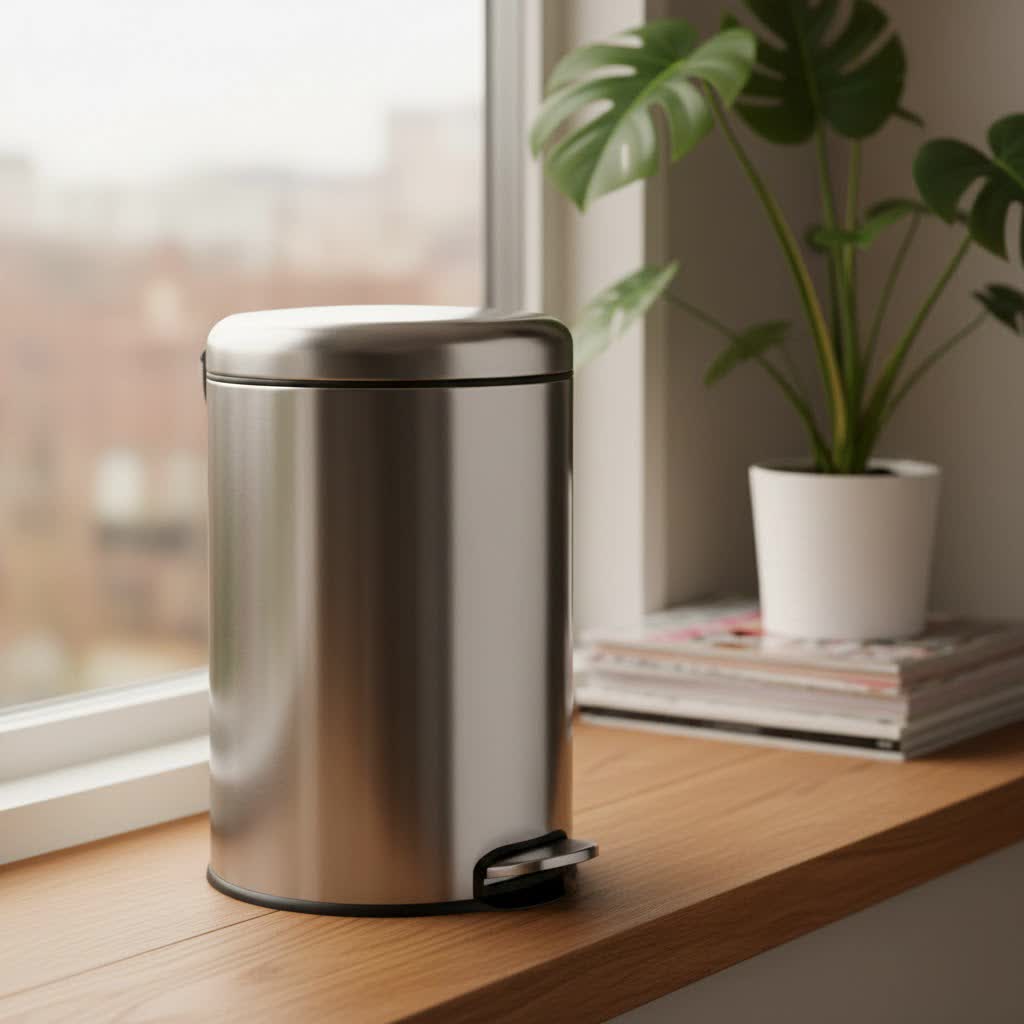
Are you tired of unsightly, smelly, or inconvenient trash cans disrupting the harmony of your home? It might seem like a minor detail, but the right home trash can can significantly impact your daily hygiene, home aesthetics, and overall convenience. With countless options available, from sleek stainless steel to smart motion-sensing models, finding the perfect fit can be a challenge. This comprehensive guide will help you navigate the choices, ensuring you select a trash can that meets your specific needs, seamlessly integrates with your living space, and makes waste management a breeze.
Why Your Home Trash Can Matters More Than You Think
A trash can is far more than just a container for refuse. It’s a critical element in maintaining a clean, odor-free, and organized living environment. A poorly chosen bin can lead to unpleasant smells, unhygienic surfaces, frustrating maintenance, and even detract from your home’s decor. Conversely, a well-selected trash can enhances functionality, promotes better waste sorting, and can even become an understated part of your interior design, reflecting a thoughtful approach to every aspect of your home.
Understanding the Different Types of Home Trash Cans
The evolution of the humble trash can has brought forth a variety of designs, each with unique advantages. Understanding these types is the first step in making an informed decision.
Step-On (Pedal) Trash Cans
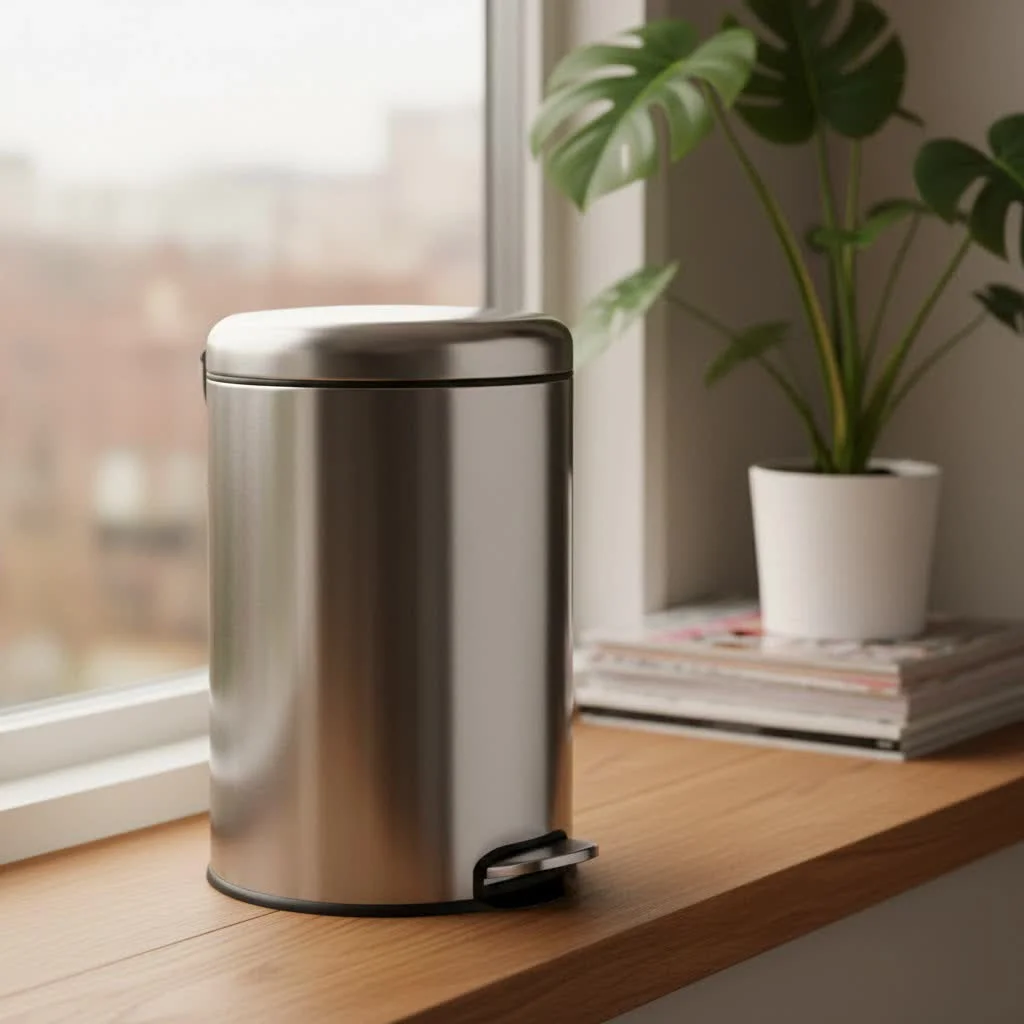
These are perhaps the most common and beloved types for their hands-free operation. A foot pedal activates the lid, minimizing contact with germs and making disposal easy, especially when your hands are full. They typically feature a soft-close lid mechanism, preventing loud clangs and providing a smooth, controlled closing. Step-on cans are reliable and durable, often featuring robust pedal mechanisms designed for years of use.
Sensor (Automatic/Touchless) Trash Cans
For the ultimate in hygiene and modern convenience, sensor trash cans are an excellent choice. Equipped with infrared motion sensors or even voice activation, these lids open automatically with a wave of a hand or a spoken command, eliminating any need for physical contact. This feature is particularly beneficial in kitchens where hands are often messy during cooking, or in homes with children and pets where hygiene is paramount. Many models also include a soft-close feature and a tight seal for superior odor containment.
Dual-Compartment (Recycling) Trash Cans
As sustainability becomes a global priority, dual-compartment trash cans offer an elegant solution for separating waste at the source. These bins typically feature two distinct compartments, one for general waste and another for recyclables, often clearly labeled. Some advanced models may even include a third, smaller compartment for compostable materials. They streamline the recycling process, making it easier for households to contribute to environmental efforts without cluttering the kitchen with multiple bins.
Open-Top & Swing-Lid Trash Cans
|
Our Picks for the Best Trash Can in 2026
As an Amazon Associate I earn from qualifying purchases.
|
||
| Num | Product | Action |
|---|---|---|
| 1 | BestOffice - 13 Gallon Trash Can with Lid - Automatic Touchless Garbage Can - Odor Control - Modern Oval Design - Easy to Clean - Stainless Steel - Fits Any Kitchen, Bathroom, Office or Home |

|
| 2 | TIPGO Slim Bathroom Trash Can with Lid Soft Close, Step Pedal, 6 Liter / 1.6 Gallon Stainless Steel Trash Bin, Small Garbage Cans for Bedroom, Office, Kitchen (Matte Black) |
|
| 3 | Cesun Small Bathroom Trash Can with Lid Soft Close, Step Pedal, 6 Liter / 1.6 Gallon Stainless Steel Garbage Can with Removable Inner Bucket, Anti-Fingerprint Finish (Matt Black) |
|
| 4 | Towallmark 60L/16 Gal Dual-Compartment Stainless Steel Trash Can,2x8 Gal Pedal-Operated Design with Removable Inner Buckets for Kitchen, Office & Commercial Use |
|
| 5 | Amazon Basics Dual Compartment Recycling Trash Can with Soft-Close Lid and Removable Liner Buckets, 60 Liters, Rectangular, Grey, Silver |
|
| 6 | Rubbermaid Commercial Wastebasket Trash Container, 41QT/10.25 GAL, Plastic, Black, Stackable Trash Can for Bedroom/Bathroom/Office, Fits Under Desk/Sink/Cabinet |
|
| 7 | Amazon Basics Smudge Resistant Rectangular Trash Can With Soft-Close Foot Pedal, Brushed Stainless Steel, 30L/7.9 Gal, 13.8x11.8x25 in, Satin Nickel Finish |
|
| 8 | Amazon Basics Smudge Resistant Mini Rectangular Trash Can With Soft-Close Foot Pedal, Brushed Stainless Steel, for Bathroom & small space, 5L/1.32 Gal, 7.3x8.5x11.8 in, Satin Nickel Finish |
|
| 9 | BestOffice - 13 Gallon Trash Can with Lid - Automatic Touchless Garbage Can - Odor Control - Modern Oval Design - Easy to Clean - Plastic - Black - Fits Any Kitchen, Bathroom, Office or Home |
|
| 10 | Amazon Basics Smudge Resistant Rectangular Trash Can With Soft-Close Foot Pedal, Brushed Stainless Steel, 50L/13.2 Gal, 16.7x14.7x25.9 in, Satin Nickel Finish |
|
Open-top trash cans are best suited for areas with dry, non-organic waste, such as offices or bedrooms, where frequent, quick disposal is needed and odor control isn’t a primary concern. They offer easy access but no odor containment. Swing-lid cans provide a simple cover that can be pushed open, offering a degree of odor masking, but still involve touching the lid and can be less effective at trapping strong smells compared to step-on or sensor models.
Built-In (Pull-Out) Trash Cans
For a seamlessly integrated and discreet waste solution, built-in or pull-out trash cans are designed to hide within cabinetry, most commonly in kitchens. They slide out on rails, often with one or two bins for waste and recycling. This option frees up floor space, maintains a clean aesthetic, and keeps trash out of sight. While requiring installation, they offer an unparalleled level of integration into modern kitchen designs.
Mini & Specialty Trash Cans
Beyond the main categories, specialty trash cans cater to specific needs. Mini bins (1.5-4 gallons) are perfect for bathrooms, desktops, or small offices. Dog-proof trash cans often feature secure latches or heavy-duty construction to prevent curious pets from rummaging. Some even include built-in odor filters for an extra layer of protection against strong smells.
Key Factors to Consider When Choosing a Home Trash Can
Selecting the right trash can involves weighing several factors to ensure it perfectly matches your lifestyle and home environment.
Size & Capacity: Finding the Perfect Fit
The capacity of your trash can is crucial and largely depends on the room, the number of people in your household, and your waste generation habits.
| Room/Usage | Household Size | Recommended Capacity (Gallons) | Notes |
|---|---|---|---|
| Kitchen | 1-2 people | 10-13 | Ample for daily cooking, frequent emptying. |
| 3-4 people | 13-20 | Standard for most families, balances capacity and frequency. | |
| 5+ people/Heavy cooks | 20+ | Reduces emptying frequency for high waste generation. | |
| Bathroom | Any | 1-4 | Small, discreet, often lidded for hygiene. |
| Bedroom/Office | Any | 1-4 | Small, for dry waste, often open-top or basic lid. |
| Utility/Garage | Any | 13-30+ | Durable, for larger or less frequent waste disposal. |
- Expert Insight: “A 13-gallon trash can is ideal for kitchens, providing ample space for daily waste, while smaller bathroom trash cans work well for personal hygiene waste.”
- Consider the physical dimensions (height, width, depth) to ensure the trash can fits your designated space without obstructing pathways or cabinet doors.
Material Durability & Aesthetics: Stainless Steel vs. Plastic
The material of your trash can impacts its durability, ease of cleaning, odor resistance, and visual appeal.
- Stainless Steel: Known for its modern, sleek look and excellent durability. Stainless steel is easy to clean, resists odors well due to its non-porous surface, and can be fingerprint-resistant. It’s often a more premium option but offers longevity and a sophisticated aesthetic.
- Plastic: More affordable and lightweight, making it easy to move and clean. Plastic trash cans come in a variety of colors, offering more design flexibility. However, cheaper plastics can retain odors over time and may not be as durable as stainless steel. High-quality plastics, though, can offer significant durability and good odor control with tight lids.
Lid Mechanism & Odor Control
The type of lid is paramount for hygiene and odor management, especially in the kitchen.
- Tight-fitting lids are crucial for trapping unpleasant smells. Many modern trash cans, particularly step-on and sensor models, are engineered with precise seals to contain odors effectively.
- Touchless or pedal-operated lids minimize direct contact with potentially germ-laden surfaces, promoting better hygiene.
- Swing-lids or open-top bins, while convenient for quick disposal, offer minimal to no odor control and can be less sanitary in areas with organic waste.
Design & Aesthetics: Blending with Your Decor
A trash can doesn’t have to be an eyesore. Modern designs allow for seamless integration into your home decor. Consider:
- Shape: Rectangular, semi-round, or slim designs can fit snugly against walls or in tight spaces.
- Color & Finish: Neutral colors like black, white, or various shades of stainless steel blend easily with most interiors. Brushed or matte finishes can add a touch of elegance.
- Style: Minimalist designs match modern homes, while more traditional shapes might suit classic decor.
Special Features for Enhanced Convenience
Manufacturers are constantly innovating to make trash disposal easier and more hygienic. Look for features like:
- Soft-close lids: Prevent slamming and reduce noise.
- Removable inner buckets: Make emptying and cleaning much simpler.
- Liner pockets: Conveniently store extra trash bags within the can itself.
- Bag tuck bands/liner rims: Securely hold trash bags in place, preventing slippage and hiding excess bag.
- Pet/child locks: Keep curious hands and paws out of the trash.
- Fingerprint-resistant finishes: Maintain a cleaner appearance on stainless steel models.
Choosing the Right Trash Can for Each Room in Your Home
Different rooms have distinct waste management needs. Tailoring your trash can choice to each space optimizes functionality and hygiene.
Kitchen Trash Cans
The kitchen typically generates the most waste, including food scraps and packaging. Therefore, the kitchen trash can should be the largest receptacle in your house and prioritize odor control and hands-free operation.
- Capacity: 13-20 gallons for most families.
- Lid: Step-on or sensor models are highly recommended for hygiene and convenience when cooking.
- Material: Stainless steel is often preferred for its durability, odor resistance, and sleek appearance. High-quality plastic with a tight lid is also a good option.
- Features: Look for soft-close lids, fingerprint-resistant finishes, and internal liner pockets. Dual-compartment models are excellent for integrating recycling.
Bathroom Trash Cans
Bathroom trash cans handle smaller volumes of waste, often personal hygiene items. Discreetness and hygiene are key.
- Capacity: 1-4 gallons.
- Lid: A lid is essential for hygiene and concealing waste. Small step-on or simple lidded bins work well.
- Material: Plastic is common due to humidity, but small stainless steel options are also popular for aesthetics.
- Placement: Compact designs that fit into small spaces, often next to the toilet or under the sink.
Bedroom & Office Trash Cans
These areas typically produce dry waste like paper, tissues, or light packaging. Odor control is usually less critical.
- Capacity: 1-4 gallons.
- Lid: Open-top or swing-lid are often sufficient, though small lidded options are available for a neater look.
- Material: Mesh, plastic, or small decorative metal bins are common.
- Aesthetics: Choose a design that complements the room’s decor, perhaps a stylish mesh bin for an office or a colorful plastic bin for a child’s bedroom.
Utility & Garage Trash Cans
For workshops, garages, or utility rooms, durability and large capacity are paramount.
- Capacity: 13-30+ gallons.
- Material: Heavy-duty plastic or galvanized steel is ideal for resilience against wear and tear, and often for larger or heavier waste items.
- Lid: A sturdy lid is important to keep out pests and contain any workshop odors.
Top Brands & What Makes Them Stand Out
Several brands have established themselves as leaders in the home trash can market, known for their quality, innovation, and design.
- Simplehuman: Widely praised for innovative features like custom-fit liners, liner pockets, silent soft-close lids, and highly durable pedal mechanisms. They offer a range of sensor and step-on cans in various finishes, known for both functionality and aesthetic appeal.
- Kohler: Offers stylish and robust trash cans, particularly in stainless steel, with features like wide pedals for smooth operation, tight-fitting lids, and locking rims to secure trash bags.
- Brabantia: A European brand known for its elegant designs, high-quality materials, and commitment to sustainability. Their bins often feature unique lid mechanisms and a sleek, modern aesthetic.
- Rubbermaid: A reliable brand offering durable and practical plastic and stainless steel options, often at a more accessible price point. Their Premier Series Step-On cans are noted for good value.
- Amazon Basics: Provides budget-friendly yet functional stainless steel step-on cans, often highlighted for good odor containment and soft-close features at a competitive price.
Maintaining Your Home Trash Can: Tips for Cleanliness and Odor-Free Living
Even the best trash can requires regular maintenance to stay hygienic and odor-free.
- Regular Cleaning Rituals: Wipe down the interior and exterior surfaces frequently with disinfecting wipes or a solution of warm, soapy water. For deeper cleaning, especially for plastic bins that might retain odors, a vinegar solution or baking soda paste can be effective.
- Effective Odor Control Hacks:
- Always use appropriate trash can liners to prevent leaks and stains.
- Place a layer of baking soda, coffee grounds, or activated charcoal at the bottom of the bin to absorb odors.
- Consider specialized odor absorbers designed for trash cans.
- For strong-smelling waste, consider double-bagging or taking it out immediately.
- Using the Right Liners: Ensure you use trash bags that match the capacity and shape of your bin. Custom-fit liners, like those offered by Simplehuman, can prevent slippage and provide a neater look.
- Mind Your Mechanism: For sensor cans, regularly check and replace batteries. For pedal mechanisms, ensure they are free of debris to maintain smooth operation.
Conclusion
Choosing the ideal home trash can is a decision that impacts not just waste disposal, but also the hygiene, aesthetics, and overall functionality of your living space. By carefully considering factors such as capacity, material, lid mechanism, design, and special features, you can make an informed choice that caters to the specific needs of each room in your home. Whether you prioritize touchless convenience, robust odor control, or a sleek design that blends seamlessly with your decor, there’s a perfect trash can out there for you. Don’t underestimate the power of a well-chosen bin to elevate your home environment and simplify your daily routine.
What improvements will you make to your home’s waste management system today?
Frequently Asked Questions
What is the standard size for a kitchen trash can?
For most average families, a 13-gallon (approximately 50-liter) trash can is considered the standard size for a kitchen. This capacity offers a good balance, providing enough space for daily waste without requiring excessively frequent emptying, typically every 1-3 days depending on household size and cooking habits.
Which trash can material is best for odor control?
Stainless steel is generally considered the best material for kitchen trash cans when it comes to odor control. Its non-porous surface is less likely to absorb smells compared to plastic, and when combined with a tight-fitting lid, it effectively traps odors inside the bin.
Are touchless trash cans worth it for home use?
Yes, many homeowners find touchless (sensor) trash cans worth the investment for their convenience and hygiene benefits. They reduce germ transfer by eliminating the need to touch the lid, which is particularly useful when hands are messy during cooking. However, they typically require batteries and can be more expensive than manual options.
How often should I clean my home trash can?
It’s recommended to clean your primary kitchen trash can at least once a week with soap and water or a disinfectant, especially if it holds organic waste. Smaller bins in bathrooms or offices can be cleaned every 2-4 weeks, or more frequently if they start to show signs of dirt or odor. Regular wiping down of the exterior can be done daily.
Can I use regular garbage bags in a dual-compartment recycling bin?
Yes, for the general waste compartment, standard garbage bags that match the compartment’s capacity can be used. For the recycling compartment, you can either use clear recycling bags (if required by your local municipality) or simply place recyclables directly into the bin without a bag, depending on your local recycling guidelines.
What features make a trash can “pet-proof”?
Pet-proof trash cans typically incorporate secure lid locking mechanisms, sturdy construction that is difficult to tip over, or features that make the lid challenging for pets to open. Some designs might have heavier bases or integrated latches that require a human touch to release, effectively keeping curious paws and noses out.
Get our weekly buyer guide
Practical specs, not advice. Unsubscribe anytime.
