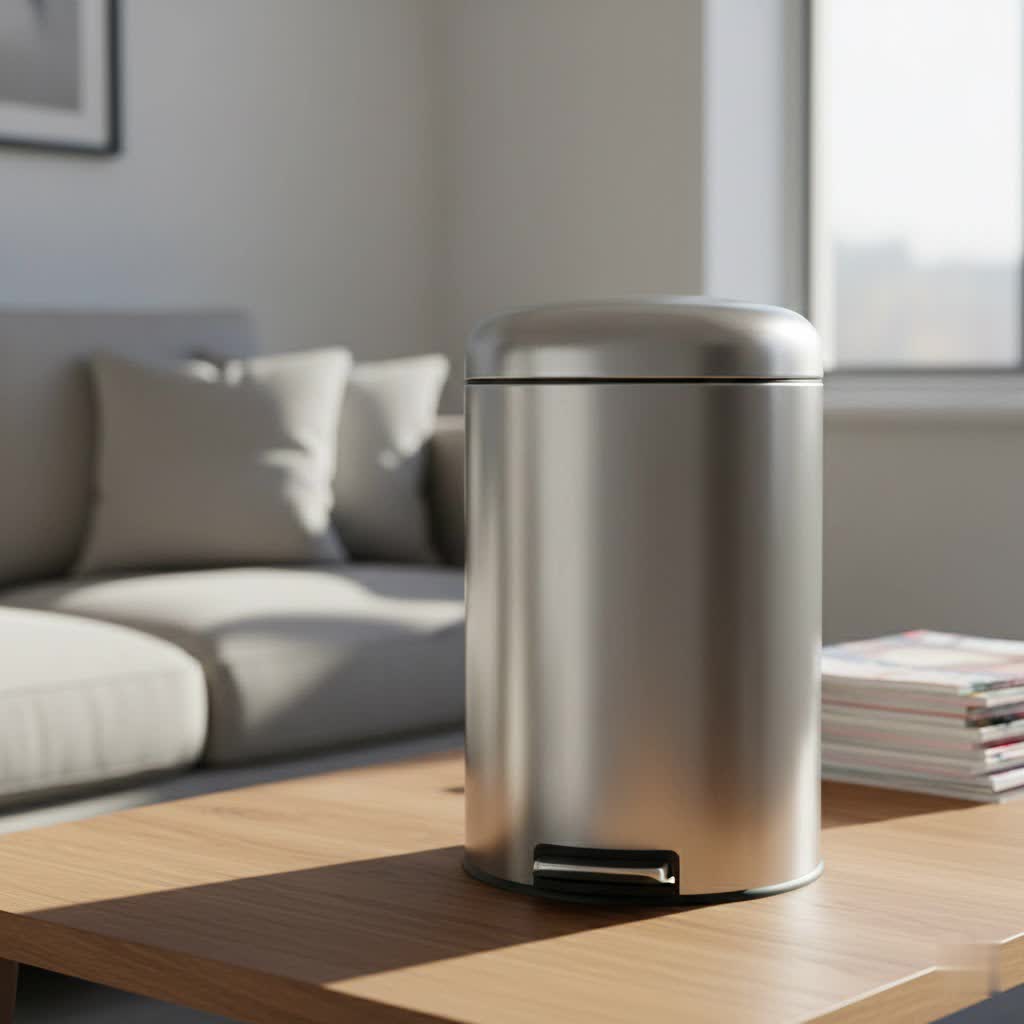
Finding the ideal trash can and recycling bin for your home or business can feel like a daunting task amidst the endless options available today. Far from being mere waste receptacles, these essential items are critical for maintaining cleanliness, promoting efficiency, and supporting environmental sustainability. This comprehensive guide will walk you through everything you need to know, from understanding different types and key features to making an informed choice that perfectly suits your needs and space.
Exploring the Diverse World of Trash Cans and Recycling Bins
The market offers a remarkable array of trash cans and recycling bins, each designed with specific purposes and environments in mind. Understanding these varieties is the first step toward making your perfect selection. For explore our trash cans reviews on this site.
Household Bins: Functionality Meets Home Life
For residential spaces, the focus often lies on convenience, aesthetics, and effective odor control.
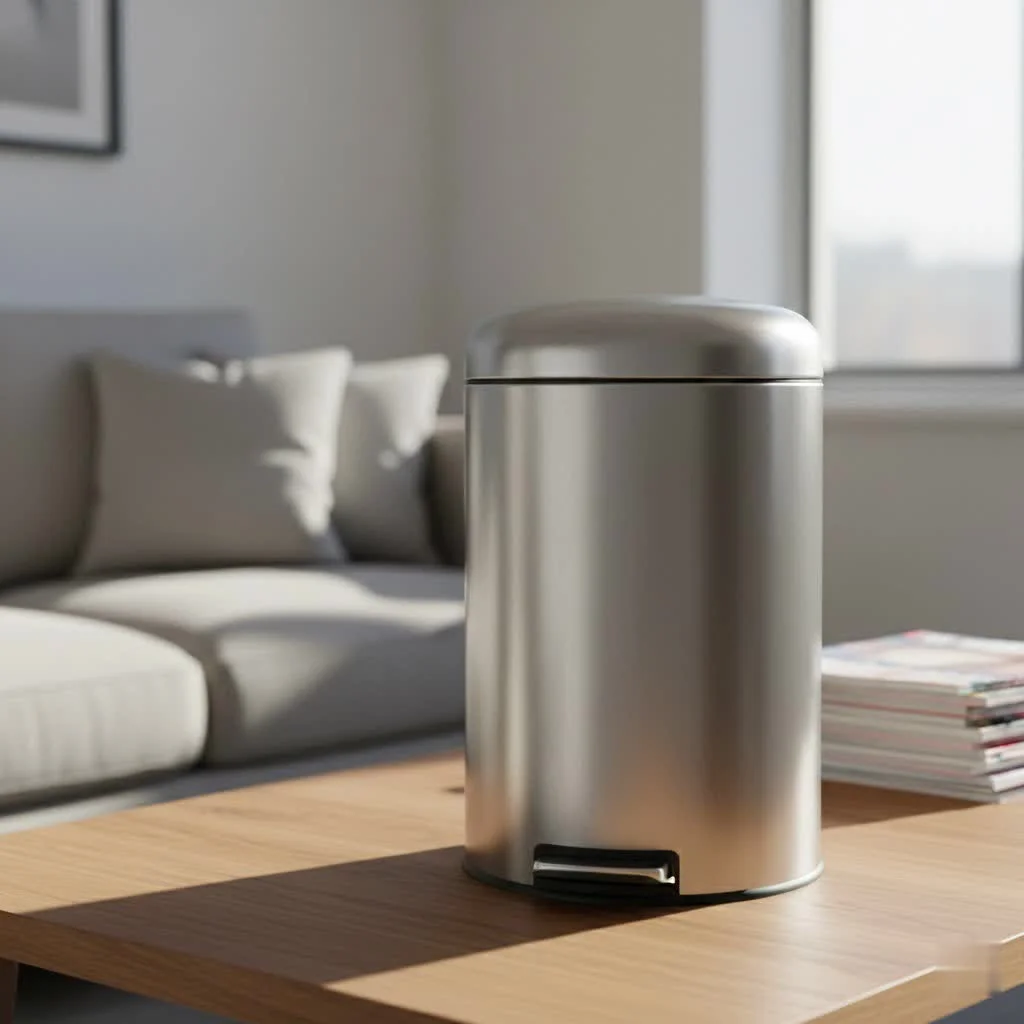
- Pedal (Step-On) Trash Cans: These popular bins feature a foot pedal for hands-free opening, enhancing hygiene and convenience, especially in busy kitchens. Many come with soft-close lids that prevent slamming.
- Sensor (Motion-Activated/Voice-Activated) Trash Cans: Offering a completely touchless experience, these modern bins open with a wave of a hand or a voice command. They are ideal for smart homes and environments where germ reduction is a priority, though they often require batteries or an electrical outlet.
- Dual-Compartment Bins: Designed for integrated waste management, these bins feature two separate compartments—one for trash and one for recyclables—within a single, sleek unit. This streamlines waste separation and saves space.
- Open Top Bins: Simple and easy to use, open-top bins offer quick disposal access. However, they lack odor control and are less suitable for messy waste.
- Slim Profile Bins: Perfect for small kitchens, bathrooms, or narrow hallways, these bins are designed to fit snugly against walls or in corners, maximizing available space.
Recycling-Specific Bins: Championing Sustainability
Dedicated recycling solutions are vital for reducing landfill waste and supporting eco-friendly practices.
- Multi-Stream Recycling Stations: These units often feature two or more distinct compartments and color-coded openings (e.g., blue for mixed recyclables, green for organics) to facilitate easy sorting of different recyclable materials at the source.
- Curbside Recycling Bins: Typically larger, sturdy bins designed for outdoor use and municipal collection, offering ample capacity for household recyclables.
- Compost Bins: Specifically for organic waste like food scraps and yard waste, these bins help divert biodegradable materials from landfills for composting.
Commercial and Industrial Solutions: Built for Demand
Businesses, offices, and industrial settings require robust, high-capacity, and often specialized waste and recycling solutions.
- Heavy-Duty Bins: Constructed from durable materials like powder-coated steel or UV-stabilized plastic, these bins are built to withstand high traffic, harsh weather, and frequent use in demanding environments.
- Outdoor Commercial Bins: Designed for public parks, streets, and facility exteriors, these bins often include features like weighted bases, covered lids for weather resistance, and animal-proof latches.
- Office-Specific Containers: Tailored for workspaces, these often include specialized openings for paper, bottles, and food waste, along with clear labeling to promote proper sorting.
- Medical Trash Cans: Meeting OSHA standards, these bins feature hands-free activation and safe containment for infectious waste.
- Industrial Bins: Large-capacity options like wheeled trash cans, tilt trucks, and dumpsters are used in warehouses, manufacturing plants, and construction sites for managing substantial volumes of diverse waste.
Key Factors When Choosing Your Perfect Trash Can and Recycling Bin
Selecting the right waste and recycling solutions goes beyond mere aesthetics. Consider these crucial factors to ensure functionality, efficiency, and longevity.
Capacity and Size: Matching the Volume
|
Our Picks for the Best Trash Can in 2026
As an Amazon Associate I earn from qualifying purchases.
|
||
| Num | Product | Action |
|---|---|---|
| 1 | BestOffice - 13 Gallon Trash Can with Lid - Automatic Touchless Garbage Can - Odor Control - Modern Oval Design - Easy to Clean - Stainless Steel - Fits Any Kitchen, Bathroom, Office or Home |

|
| 2 | BestOffice - 13 Gallon Trash Can with Lid - Automatic Touchless Garbage Can - Odor Control - Modern Oval Design - Easy to Clean - Plastic - Black - Fits Any Kitchen, Bathroom, Office or Home |
|
| 3 | Amazon Basics Smudge Resistant Mini Rectangular Trash Can With Soft-Close Foot Pedal, Brushed Stainless Steel, for Bathroom & small space, 5L/1.32 Gal, 7.3x8.5x11.8 in, Satin Nickel Finish |
|
| 4 | Amazon Basics Smudge Resistant Rectangular Trash Can With Soft-Close Foot Pedal, Brushed Stainless Steel, 50L/13.2 Gal, 16.7x14.7x25.9 in, Satin Nickel Finish |
|
| 5 | Amazon Basics Smudge Resistant Rectangular Trash Can With Soft-Close Foot Pedal, Brushed Stainless Steel, 30L/7.9 Gal, 13.8x11.8x25 in, Satin Nickel Finish |
|
| 6 | Towallmark 60L/16 Gal Dual-Compartment Stainless Steel Trash Can,2x8 Gal Pedal-Operated Design with Removable Inner Buckets for Kitchen, Office & Commercial Use |
|
| 7 | Amazon Basics Dual Compartment Recycling Trash Can with Soft-Close Lid and Removable Liner Buckets, 60 Liters, Rectangular, Grey, Silver |
|
| 8 | Rubbermaid Commercial Wastebasket Trash Container, 41QT/10.25 GAL, Plastic, Black, Stackable Trash Can for Bedroom/Bathroom/Office, Fits Under Desk/Sink/Cabinet |
|
| 9 | Cesun Small Bathroom Trash Can with Lid Soft Close, Step Pedal, 6 Liter / 1.6 Gallon Stainless Steel Garbage Can with Removable Inner Bucket, Anti-Fingerprint Finish (Matt Black) |
|
| 10 | TIPGO Slim Bathroom Trash Can with Lid Soft Close, Step Pedal, 6 Liter / 1.6 Gallon Stainless Steel Trash Bin, Small Garbage Cans for Bedroom, Office, Kitchen (Matte Black) |
|
The right capacity prevents frequent emptying and unsightly overflows.
- For homes: A 13-gallon (50-liter) trash can is generally suitable for an average family’s kitchen, though smaller bins (3-10 gallons) work well for bathrooms, bedrooms, or individuals.
- For offices: Desk-side units might range from 4 to 9 gallons (15-35 liters). Common areas like lobbies or cafeterias require larger capacities, typically 15-30 gallons (60-120 liters), to accommodate higher traffic between scheduled pickups.
- For industrial or outdoor use: Capacities can climb to 50 gallons (180+ liters) or more, depending on foot traffic and service frequency.
Material: Durability and Aesthetics
The material impacts a bin’s lifespan, appearance, and ease of maintenance.
- Stainless Steel: A popular choice for kitchens and lobbies, offering a sleek, modern aesthetic. It is durable, resistant to rust, and often features fingerprint-proof coatings, making it easy to clean and effective at managing odors.
- Plastic (HDPE): Lightweight, affordable, and impact-resistant, plastic bins are a practical choice for various settings. High-density polyethylene (HDPE) is particularly durable and recyclable. However, some plastic types may absorb odors over time.
- Powder-Coated Steel: Offers enhanced durability and weather resistance, often used for outdoor or commercial bins.
- Concrete/Marine-Grade Stainless Steel: Used for heavy-duty outdoor applications, especially in areas exposed to harsh elements like coastal environments.
Opening Mechanism: Convenience and Hygiene
The way a bin opens directly affects user experience and cleanliness.
- Foot Pedal: Highly hygienic and convenient for hands-free operation, widely favored for kitchen and bathroom trash cans.
- Motion Sensor/Voice Activated: Offers superior touchless convenience, ideal for maintaining hygiene in high-traffic areas or for tech-savvy users. These require power (batteries or outlet).
- Touch Top/Manual Lid: Simple mechanisms that require a light press or lift to open. Often used for recycling bins where hand contact is less of a concern.
- Open Top/Swing Top: Provides easy, continuous access for disposal but offers no odor control and can be susceptible to spills.
Odor Control: Keeping Your Space Fresh
Effective odor containment is paramount, especially for organic waste.
- Tight-Fitting Lids: The most crucial feature for trapping odors. Look for lids that create a secure seal.
- Removable Inner Buckets: These not only make cleaning easier but also provide an additional barrier against odors and prevent leaks from damaging the outer can.
- Antimicrobial Coatings/Filters: Some advanced bins incorporate antimicrobial treatments or carbon filters to inhibit bacteria growth and neutralize smells.
- Placement: Locating bins in confined spaces like under a sink or in a dedicated cabinet can help minimize odor spread.
Ease of Cleaning and Maintenance: Effortless Hygiene
A bin that’s easy to clean encourages regular upkeep and better hygiene.
- Removable Liners/Buckets: These allow for thorough washing in a sink or outdoors without needing to clean the entire outer shell.
- Fingerprint-Resistant Finishes: Common on stainless steel bins, these reduce smudges and maintain a clean appearance.
- Liner Lock/Bag-Tucking Mechanisms: Features that secure trash bags in place prevent slippage and messy spills inside the can.
- Smooth Surfaces: Bins with fewer crevices are easier to wipe down and less likely to accumulate grime.
Aesthetics and Design: Blending into Your Space
Your bins can complement your decor rather than detract from it.
- Shape: Rectangular bins fit well into corners or flush against walls, while round or semi-round options can be softer on the eye.
- Finish: Stainless steel offers a modern, industrial look; various colors and finishes can match specific room aesthetics.
- Integrated Design: For dual-compartment bins, a cohesive design ensures both waste streams are managed elegantly.
Durability and Weather Resistance: Long-Term Performance
Especially for outdoor or commercial bins, resilience to wear and tear is vital.
- Robust Construction: Heavy-gauge metals and thick, UV-stabilized plastics are essential for outdoor exposure and high-impact environments.
- Weatherproof Lids: Lids designed to shed rain and snow protect contents and prevent water accumulation.
- Animal Resistance: Locking mechanisms and sturdy construction are crucial in public parks or campgrounds to deter wildlife.
Sustainability Features: Environmental Responsibility
Modern bins offer features that align with green initiatives.
- Recycled Content: Bins made from post-consumer recycled plastic divert waste from landfills.
- LEED-Compliant Options: For commercial settings, bins with low-emitting coatings or FSC-certified wood can contribute to green building certifications.
- Smart Sensors: Advanced bins can include fill-level sensors that transmit data, optimizing collection routes and reducing unnecessary pick-ups, thereby saving fuel and emissions.
Your Personalized Buying Guide for Trash Cans and Recycling Bins
Ready to make a choice? Follow these steps to find the perfect trash can and recycling bin for your specific requirements.
1. Assess Your Needs
Start by asking yourself key questions:
- Location: Where will the bin be placed (kitchen, office, bathroom, outdoor, industrial zone)? This dictates size, material, and weather resistance needs.
- Volume of Waste: How many people will use it, and how much waste is generated daily? This informs the required capacity. A single person might need a smaller bin than a family of five or a busy office.
- Type of Waste: What kind of waste will it primarily hold (general trash, paper, plastic, glass, organic waste, medical waste)? This determines whether you need single-stream, multi-stream, or specialized bins.
- Frequency of Emptying: If you prefer less frequent emptying, opt for a larger capacity. If daily emptying is not an issue, a smaller, more discreet bin might suffice.
2. Research Features and Types
Based on your needs, explore the different types and features discussed earlier. If hands-free operation is key for hygiene, a pedal or sensor bin is ideal. If space is limited, look for slim or corner designs. For mixed waste, a dual-compartment or multi-stream system is beneficial.
3. Consider Your Budget and Value
While a trash can might seem like a minor investment, higher-priced models often offer superior durability, advanced features, and better odor control, potentially providing greater long-term value. Balance the initial cost with the features that are most important to you. Sometimes, a slightly more expensive, well-designed bin can save you money on liners, cleaning supplies, and replacement costs in the long run.
4. Choose Reputable Brands
Several brands are known for their quality, innovation, and customer satisfaction in the waste management sector. Consider brands like Simplehuman, Brabantia, Kohler, Joseph Joseph, Rubbermaid, Home Zone Living, and Amazon Basics for reliable options. These brands often invest in durable materials, smart designs, and effective odor solutions.
5. Smart Placement Strategies
Even the best bins won’t be effective if placed incorrectly.
- High-Traffic Areas: Place bins where people naturally walk and gather, such as near entrances, exits of seating areas, or along busy pathways.
- Visibility: Ensure bins are easy to spot and clearly labeled, especially for recycling. Color-coding can significantly improve proper sorting.
- Accessibility: Consider ADA guidelines, ensuring bins are reachable from a wheelchair and easy to open with one hand.
- Spacing: Avoid cluttering an area with too many bins, but ensure enough are available so users don’t have to walk more than 25-30 steps to find one.
Top Reputable Brands for Your Consideration
When investing in a new trash can or recycling bin, opting for a trusted brand often guarantees better quality, design, and customer support. Here are a few leading names:
- Simplehuman: Renowned for their innovative designs, durable stainless steel construction, and features like soft-close lids, sensor mechanisms, and built-in liner pockets. They often offer a premium experience.
- Brabantia: A European brand known for sleek, aesthetic designs, high-quality materials, and practical features such as touch-top openings and space-saving profiles.
- Kohler: Offers a range of elegant and functional kitchen trash cans, often featuring durable stainless steel, wide foot pedals, and tight-fitting lids for superior odor control.
- Rubbermaid: A long-standing name in waste management, providing reliable and often budget-friendly plastic and stainless steel options for both household and commercial use, with features like liner locks.
- Joseph Joseph: Known for innovative and compact designs, often featuring vertical stacking or multi-compartment systems that are perfect for modern, space-conscious homes.
- Home Zone Living: Offers a variety of bins, including popular dual-compartment trash and recycling solutions known for good odor containment and sturdy construction.
- Amazon Basics: Provides affordable yet functional options, often mimicking features of higher-end brands, making them a good value choice.
Essential Tips for Cleaning and Maintaining Your Trash Cans and Recycling Bins
Proper maintenance extends the life of your bins, keeps them hygienic, and prevents unpleasant odors.
- Regular Cleaning is Key: Don’t wait for visible grime. Empty and clean your bins regularly, ideally once a week for kitchen trash cans.
- Use the Right Cleaning Solution: For most bins, hot water and dish soap are sufficient. For deeper cleaning or stubborn odors, a vinegar-based cleaner or a bleach-water solution (1:10 ratio) can be effective.
- Scrub Thoroughly: Use a stiff brush to scrub all interior and exterior surfaces, paying attention to crevices. Removable inner buckets are a huge advantage here, as they can be washed separately.
- Disinfect and Air-Dry: After scrubbing, disinfect with a commercial spray or a bleach solution. Always air-dry completely, preferably upside down in the sun, to prevent moisture buildup and mildew.
- Always Use Liners: Trash can liners protect the inside of your bin from spills and make waste removal much cleaner and easier. Choose liners that fit snugly and don’t slip.
- Combat Odors Naturally: Sprinkle baking soda or place a charcoal sachet at the bottom of the bin before inserting a new liner to absorb smells.
- Check Lid Mechanisms: For pedal or sensor bins, occasionally check the mechanism for smooth operation and clean any debris that might hinder it. For sensor bins, ensure batteries are replaced or the power source is reliable.
- Protect Outdoor Bins: For outdoor bins, ensure lids are properly sealed to keep out rain and pests. Periodically wipe down exteriors to prevent dirt buildup and rust, especially for metal bins.
Conclusion
Choosing the right trash can and recycling bin is a decision that significantly impacts the cleanliness, organization, and environmental footprint of your space. By carefully considering factors like capacity, material, opening mechanism, and specific needs for odor control and aesthetics, you can select solutions that are not only functional but also seamlessly integrate into your daily routine. Investing in quality bins and maintaining them properly ensures a cleaner, more efficient, and more sustainable environment for everyone.
What steps will you take today to upgrade your waste management system and make a positive impact?
Frequently Asked Questions
What is the ideal size for a kitchen trash can?
For most average households, a 13-gallon (50-liter) kitchen trash can offers a good balance, providing ample space for daily waste without requiring overly frequent emptying. Larger families or those who cook often might benefit from a 16-gallon or larger model.
Is stainless steel or plastic better for trash cans?
Stainless steel is generally preferred for its durability, sleek aesthetics, and superior odor containment. It’s also easier to clean and resists fingerprints. Plastic, however, is a more lightweight and budget-friendly option, though some types may be less effective at odor control over time.
How do dual-compartment trash cans improve recycling?
Dual-compartment bins streamline waste separation by offering two distinct sections—one for trash and one for recyclables—within a single unit. This design makes it easier and more convenient for users to sort waste at the source, reducing contamination and encouraging higher recycling rates.
How often should I clean my trash can?
Kitchen trash cans, especially, should be cleaned at least once a week to prevent bacteria growth and odors. Other bins, like those in bedrooms or offices with less organic waste, might only need cleaning every few weeks or monthly, depending on usage.
Can I use regular trash bags in a dual-compartment recycling bin?
Most dual-compartment bins are designed to accommodate standard-sized trash bags for each section. However, some premium brands offer custom-fit liners that provide a more secure fit and can enhance the bin’s odor-sealing capabilities.
Get our weekly buyer guide
Practical specs, not advice. Unsubscribe anytime.

I was looking for a compact recycling solution for my small office. While the guide had some good points about efficiency, I found that many of the suggested ‘compact’ options were still a bit too bulky for my very limited space. I ended up having to do a lot more searching on my own to find something truly small enough. It’s a decent starting point, but not exhaustive for tiny spaces.
I appreciated the breakdown of different types of bins. I needed something durable for my garage, and the section on outdoor and heavy-duty options was super useful. I went with a larger, wheeled bin and it’s holding up great to all the workshop waste. My only minor complaint is that the lid can be a bit stiff to open sometimes.
This guide was exactly what I needed! I’ve been trying to improve my home’s sustainability efforts, and the tips on choosing the right recycling bin were invaluable. I learned a lot about different materials and features to look for. My new bin makes sorting so much easier and I feel much better about my waste management now.
I was so overwhelmed by all the options for kitchen trash cans, but this guide really helped me narrow it down. I ended up getting a dual-compartment bin for both trash and recycling, and it’s been a game-changer for keeping my kitchen tidy. It fits perfectly under my counter and the soft-close lid is a nice touch. Highly recommend thinking about your specific needs before buying!