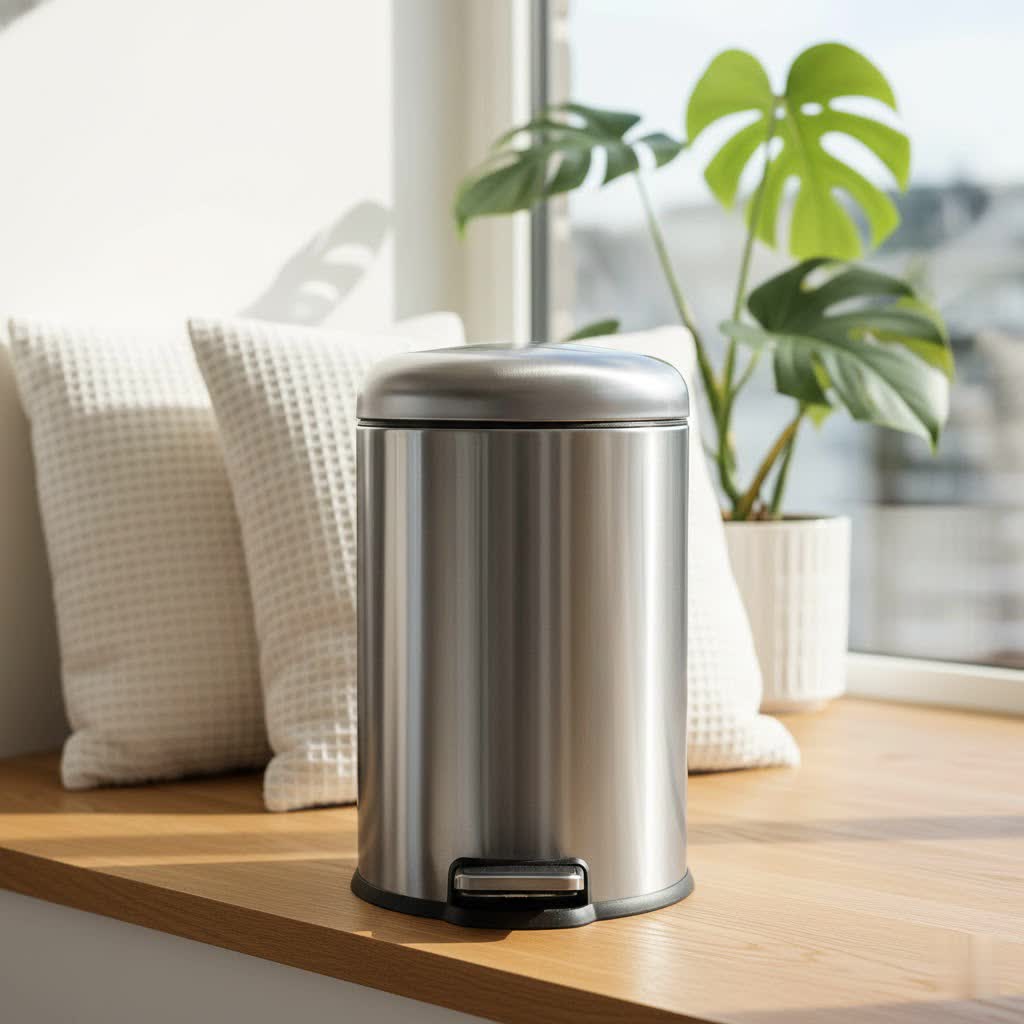
The humble trash can, a necessity in every home, often remains an unsightly fixture that disrupts an otherwise pristine kitchen or living space. If you’ve ever wished for a more elegant solution to manage household waste, a trash can cabinet is the answer. These innovative units transform a mundane utility into an integrated, stylish element of your home, offering not just concealment but also superior organization and hygiene. This guide will explore the diverse types of trash can cabinets, key considerations for selection, maintenance tips, and even the possibility of a DIY project, ensuring you find the perfect solution to enhance your home’s functionality and aesthetic.
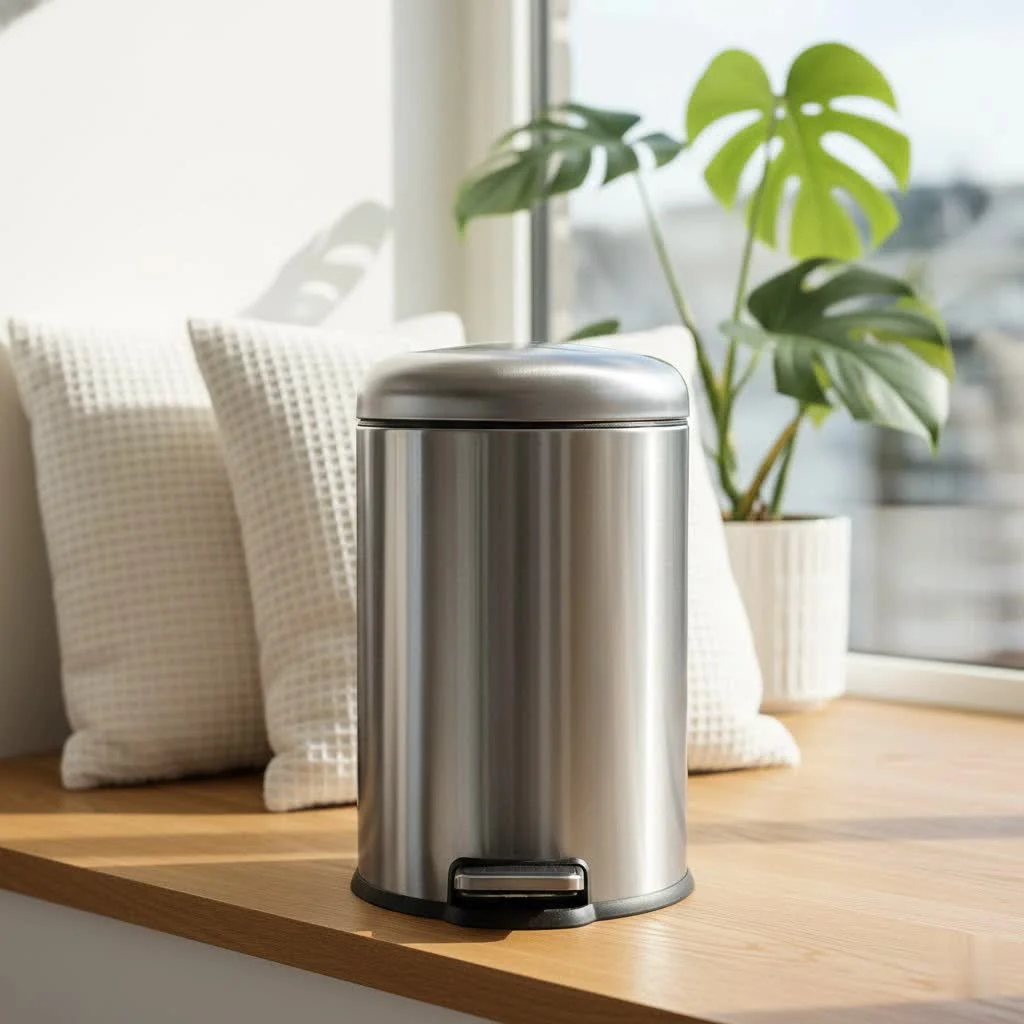
Why Choose a Trash Can Cabinet? The Benefits Unveiled
A trash can cabinet offers a multitude of advantages beyond simply hiding your garbage, significantly improving your home environment.
Enhanced Aesthetics
Perhaps the most immediate benefit of a trash can cabinet is the dramatic improvement in your home’s visual appeal. By tucking away unsightly bins behind a matching cabinet door, you create a cleaner, more streamlined look in your kitchen, pantry, or utility room. This seamless integration ensures your waste management solution complements your interior design rather than detracting from it.
Superior Odor Control
One of the most common complaints about traditional trash cans is the lingering odor. Trash can cabinets, especially those with tight-fitting designs, provide an enclosed space that helps to contain unpleasant smells. This keeps your living areas fresher and more inviting.
Improved Hygiene & Cleanliness
With trash bins out of sight and often enclosed, the likelihood of accidental spills or messes on your floor is reduced. This contributes to better overall hygiene, making it easier to keep your kitchen spotless. Many designs also feature pull-out or tilt-out mechanisms that minimize contact with the bin itself.
Optimized Space & Organization
Many trash can cabinets come with multiple compartments, making them ideal for separating trash from recyclables or even compost. This dedicated system encourages better waste sorting habits and reduces clutter, especially for eco-conscious households looking to streamline their waste management without sacrificing design. In smaller kitchens, consolidating waste bins into a cabinet can free up valuable floor space.
Pet-Proofing Solution
For homes with curious pets, an open trash can can be an irresistible target. Trash can cabinets offer a secure, pet-proof solution, preventing pets from rummaging through garbage and spreading messes, ensuring both cleanliness and safety.
Types of Trash Can Cabinets: Finding Your Perfect Fit
The market offers a variety of trash can cabinet styles, each with unique features and best-suited applications. Understanding these differences will help you select the ideal cabinet for your specific needs.
Pull-Out Trash Cabinets
|
Our Picks for the Best Trash Can in 2026
As an Amazon Associate I earn from qualifying purchases.
|
||
| Num | Product | Action |
|---|---|---|
| 1 | Rubbermaid Commercial Wastebasket Trash Container, 41QT/10.25 GAL, Plastic, Black, Stackable Trash Can for Bedroom/Bathroom/Office, Fits Under Desk/Sink/Cabinet |

|
| 2 | Towallmark 60L/16 Gal Dual-Compartment Stainless Steel Trash Can,2x8 Gal Pedal-Operated Design with Removable Inner Buckets for Kitchen, Office & Commercial Use |
|
| 3 | Amazon Basics Smudge Resistant Rectangular Trash Can With Soft-Close Foot Pedal, Brushed Stainless Steel, 50L/13.2 Gal, 16.7x14.7x25.9 in, Satin Nickel Finish |
|
| 4 | BestOffice - 13 Gallon Trash Can with Lid - Automatic Touchless Garbage Can - Odor Control - Modern Oval Design - Easy to Clean - Stainless Steel - Fits Any Kitchen, Bathroom, Office or Home |
|
| 5 | TIPGO Slim Bathroom Trash Can with Lid Soft Close, Step Pedal, 6 Liter / 1.6 Gallon Stainless Steel Trash Bin, Small Garbage Cans for Bedroom, Office, Kitchen (Matte Black) |
|
| 6 | Amazon Basics Dual Compartment Recycling Trash Can with Soft-Close Lid and Removable Liner Buckets, 60 Liters, Rectangular, Grey, Silver |
|
| 7 | Amazon Basics Smudge Resistant Mini Rectangular Trash Can With Soft-Close Foot Pedal, Brushed Stainless Steel, for Bathroom & small space, 5L/1.32 Gal, 7.3x8.5x11.8 in, Satin Nickel Finish |
|
| 8 | Amazon Basics Smudge Resistant Rectangular Trash Can With Soft-Close Foot Pedal, Brushed Stainless Steel, 30L/7.9 Gal, 13.8x11.8x25 in, Satin Nickel Finish |
|
| 9 | BestOffice - 13 Gallon Trash Can with Lid - Automatic Touchless Garbage Can - Odor Control - Modern Oval Design - Easy to Clean - Plastic - Black - Fits Any Kitchen, Bathroom, Office or Home |
|
| 10 | Cesun Small Bathroom Trash Can with Lid Soft Close, Step Pedal, 6 Liter / 1.6 Gallon Stainless Steel Garbage Can with Removable Inner Bucket, Anti-Fingerprint Finish (Matt Black) |
|
Pull-out trash cabinets are the most popular integrated solution. These units typically feature a single or double bin system mounted on smooth glides that slide out like a drawer when you open the cabinet door. This design can be effortlessly integrated into existing kitchen cabinetry, creating a cohesive and hidden look. Many modern pull-out systems include soft-close slides for quiet operation and some even offer hands-free push-to-open mechanisms. They are excellent for separating trash and recycling, making waste disposal highly efficient.
Tilt-Out Trash Cabinets
Tilt-out trash cabinets are freestanding or built-in units where the front panel of the cabinet tilts open, allowing access to the bin inside. These often have a more furniture-like appearance and can be a stylish addition to kitchens, mudrooms, or even offices. Some models come with a convenient top drawer for storing trash bags or other small items, while others feature a removable bamboo cutting board for added functionality. Tilt-out designs offer an accessible way to conceal a single large bin or sometimes two smaller ones.
Under-Sink Trash Cabinets
Utilizing the often-underused space beneath the kitchen sink, under-sink trash cabinets offer a compact and discreet solution. These can range from simple frames that hold bins to more sophisticated push-to-open systems that glide out with a gentle nudge of your knee or foot. This type of cabinet is particularly suitable for smaller spaces where every inch counts, providing a hands-free solution directly in a high-traffic area.
Freestanding Trash Cabinets
For those who prefer not to alter their existing cabinetry or require a portable solution, freestanding trash cabinets are an excellent choice. These units are designed to look like furniture pieces, coming in various finishes and styles to match your home decor. They offer flexibility in placement and often include features like shelves or drawers for additional storage. Freestanding options are available in configurations that can hold multiple bins, catering to comprehensive waste management needs.
Key Factors to Consider When Choosing a Trash Can Cabinet
Selecting the right trash can cabinet involves more than just picking a style. Thoughtful consideration of several factors will ensure your investment meets your functional and aesthetic requirements.
Size and Capacity
The size and capacity of your trash can cabinet should align with your household’s waste generation and available space. For heavy cooking families or larger households, a cabinet that accommodates multiple 13-gallon bins or larger capacities will be necessary. Conversely, a smaller household might only need a single 7-10 gallon bin. Measure your existing cabinet openings if you plan an integrated pull-out, or the desired placement area for a freestanding unit, to ensure a perfect fit.
Material and Durability
Trash can cabinets come in various materials, each offering different levels of durability and aesthetic appeal. Common materials include:
- Wood/MDF: Often used for freestanding or tilt-out cabinets, providing a classic furniture look. Look for moisture-resistant finishes.
- Stainless Steel: Durable, easy to clean, and resistant to odors. Common for pull-out systems.
- Plastic: Lightweight and cost-effective, but may not offer the same longevity or aesthetic as other materials.
Choose a material that is robust, easy to clean, and complements your home’s existing finishes.
Features for Convenience & Functionality
Modern trash can cabinets boast a range of features designed to enhance convenience:
- Hands-Free Operation: Foot pedals or push-to-open mechanisms allow you to access the bin without touching the cabinet, ideal when your hands are full.
- Soft-Close Slides: Prevents cabinet doors from slamming, reducing noise and wear.
- Odor Control Mechanisms: Some bins integrate carbon filters or use specific liner designs to further minimize smells. Using good quality trash bags can also prevent leakage.
- Drip Guards: For pull-out units, a stainless-steel or brass drip guard on the cabinet rim can prevent “gumminess” from spills, making cleaning easier.
- Recycling Compatibility: If recycling is a priority, opt for cabinets designed with two or more bins for easy sorting.
Design and Aesthetic Integration
The trash can cabinet should blend seamlessly with your home’s interior. Consider the color, finish, and hardware of the cabinet to ensure it matches or enhances your current decor. For integrated solutions, aim for a look that mimics your existing kitchen cabinetry. Freestanding units offer an opportunity to add a complementary piece of furniture.
Installation (DIY vs. Professional)
Decide whether you prefer a ready-to-assemble (RTA) unit, a professional installation, or a DIY project. RTA options often come with straightforward instructions, making them accessible even for novices. If you’re building a custom kitchen or have specific needs, professional installation might be best. DIY projects offer customization and cost savings but require basic woodworking skills and tools.
Maintaining Your Trash Can Cabinet: Tips for Longevity and Freshness
To ensure your trash can cabinet remains clean, odor-free, and functional for years, regular maintenance is essential.
- Regular Cleaning Routines: Routinely clean the inside of the cabinet, the bins themselves, and the hardware (slides, hinges) with soap and water or a mild disinfectant. Spills, especially in pull-out units, can lead to sticky residue and odors if not addressed promptly.
- Use Appropriate Trash Bags: Always use durable trash bags that fit your bins properly to prevent leaks and spills inside the cabinet.
- Odor Neutralization: Even with good practices, odors can sometimes occur. Place baking soda at the bottom of the bin or inside the cabinet, or wipe surfaces with a vinegar solution to neutralize smells naturally.
- Check Hardware: Periodically inspect pull-out slides and hinges for any signs of wear or damage. Lubricating slides can help maintain smooth operation.
DIY Trash Can Cabinets: A Project for the Handy Homeowner
For those with a knack for woodworking, building a DIY trash can cabinet can be a rewarding project that offers significant cost savings and complete customization. You can tailor the design, size, and finish to perfectly match your home and specific trash cans.
Common DIY projects include:
- Simple Tilt-Out Cabinets: These are often straightforward to construct using plywood or other lumber, requiring basic cuts, pocket holes, and assembly.
- Pull-Out Inserts for Existing Cabinets: You can build a custom frame with drawer slides to fit inside an existing base cabinet, transforming it into a hidden trash solution.
Numerous online plans and video tutorials provide step-by-step instructions, making this project accessible to many. Tools typically include a saw, drill, measuring tape, and wood glue. The beauty of DIY lies in creating a unique piece that precisely meets your household’s unique workflow and aesthetic preferences.
Conclusion
A trash can cabinet is more than just a place to dispose of waste; it’s a smart home upgrade that significantly enhances aesthetics, hygiene, and organization. By choosing from pull-out, tilt-out, under-sink, or freestanding options, and carefully considering factors like size, material, and features, you can find the perfect solution to keep your home tidy and fresh. Whether you opt for a ready-made unit or embark on a DIY project, investing in a trash can cabinet will transform your waste management, seamlessly integrating it into your daily life.
How will a well-chosen trash can cabinet redefine cleanliness and convenience in your home?
Frequently Asked Questions
How do you keep a trash can cabinet from smelling?
To keep a trash can cabinet from smelling, consistently use durable trash bags that fit snugly to prevent leaks. Regularly clean the bins and the cabinet interior with soap and water or a mild disinfectant. Placing baking soda at the bottom of the bin or using activated charcoal packets can also help absorb odors effectively.
What’s the best type of trash can for a cabinet?
The best type depends on your cabinet style: pull-out cabinets are ideal for bins on glides, while tilt-out cabinets suit bins that can sit within a tilting frame. Look for durable, easy-to-clean materials like plastic or stainless steel, and consider features like tight-fitting lids for odor control.
Can you put a trash can under a kitchen sink?
Yes, you can put a trash can under a kitchen sink, and it’s a popular choice for maximizing space and keeping waste out of sight. Specialized under-sink pull-out or push-to-open systems are designed to fit around plumbing while providing convenient access to single or dual bins.
Are trash can pull-outs worth it?
Many homeowners find trash can pull-outs to be highly worth the investment due to their ability to enhance kitchen aesthetics, improve odor control, and streamline recycling efforts. While they require an initial investment and space, the convenience and clean look they offer make them a valuable addition to modern kitchens.
How do I choose the right size for a pull-out trash can?
To choose the right size, first measure the interior dimensions of your cabinet (width, depth, height). Then, consider your household’s waste volume; a single 13-gallon bin is common, but larger families or those who recycle often might need dual bins or larger capacities that fit within the measured space.
Get our weekly buyer guide
Practical specs, not advice. Unsubscribe anytime.
